Blog

  • Joy

    Three years ago this week, my brother, sister and I lost our Dad, Jim White. My Mom lost the love of her life. My boys and my sister’s kids lost their grandpa, my uncle lost his little brother…former ball players lost their favorite ex-coach, and a community lost a friend and local business man. He was taken from us by melanoma.

    Jim White's Family

    I do not pretend to understand what it is like to fight cancer. I have nothing but admiration for those that fight cancer so bravely all with passionate determination and hope in their hearts.

    My family experienced what seemingly so many have experienced or are experiencing this very moment, losing a loved one to cancer. It sucks. It is hard. At times I become selfish, and personally feel that memories that had yet to be created were taken from me and my family. My faith and heart know that he is in a better place, yet it is hard for those left behind when amazing people leave us to soon.

    Rather than dwelling on the moments that he is missing, it seems to be better to channel that energy into passion.  That passion to pick up the fight where he and so many others left off.

    I feel I can speak for my Dad’s family and close friends when I say there were so many lessons we all learned being there with him as he battled melanoma. I feel compelled to share them in hope that other families might also look for all the positive moments, even when there are days where they do not necessarily shine through.

    Here are three that stand out with a clarity that is still as sharp as it was 4 years ago when his battle began:

    Live in the Moment – As hard as it was spending so much time in ICU, the hospital stays, and towards the end, at Jim’s home under the care of Hospice…those times gave us amazing memories, due to us being together as a family. Uncles, Aunts, brothers, sisters, cousins, nephews, nieces,  mother-in-laws, father-in-laws, close friends…we all were focused not on the daily tasks of work, challenges that we face day to day, or outside conflicts, but rather on LIFE. His LIFE. Our LIFE as ONE Family, and ONE community, all supporting my Dad’s one goal. To LIVE. And living only in that moment, striving to help him achieve that ONE goal, was fulfilling and beautiful. Life matters most when you are fighting for just 1 extra week, day, or minute. The Future literally becomes the Present, and the Past is a gift.

    Faith – Faith in God. Faith in the human spirit, Faith in Dr. Mo, and his team. Faith that all this suffering has meaning. Faith in each other and Faith in what it means to fight one’s final battle with dignity and integrity.

    And lastly:

    JOY – That is a word I honestly, never gave much thought to prior to 2010 when my Dad was diagnosed with Recurrent Melanoma. But the word has not escaped me since he passed in 2011.

    Almost 600 people attended my father’s visitation. I bet 500 of them used the word Joy or Joyful, when describing my father. And as hard as it was, we listened intently to each one of them, absorbing the power of that word that described how my Father’s Joy made a difference in so many people’s life.
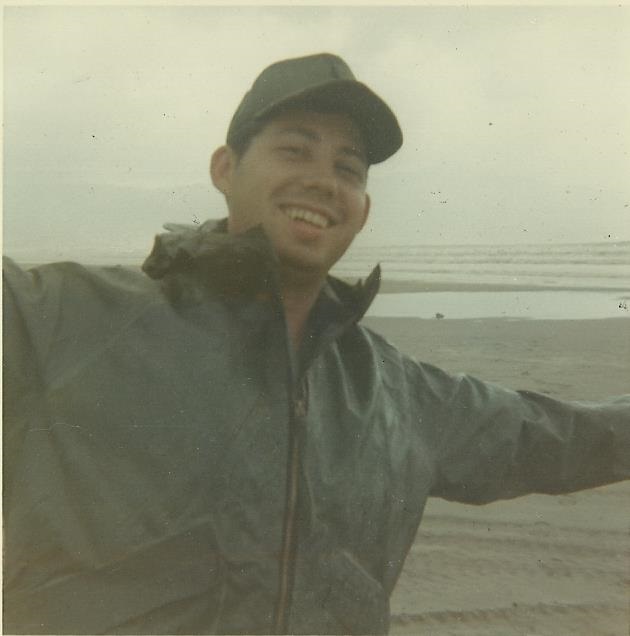
    Photo of Jim from Vietnam

    As human beings we have great days, rough days, and everything in between. But I saw Joy in my Dad as he fought this terrible disease for a year. He honestly never complained. And I saw Joy in others at the Holden Cancer Center at the U of I as they fought their own battles. Whether they were 63 years of age like my Dad or 5 years old as some of those kids were when I walked through the Children’s Cancer wing.  The Joy shinned through them.

    Do not overlook the power and difference you can make by extending Joy to others as we reside on this planet.

    I am honored to be able to share in this time slot that is typically filled by such an eloquent writer and amazing person such as Dr. Mo. Wednesday is the day that my Dad would write his own blog through Care Pages, sharing his Joy of life to hundreds, giving them a little extra inspiration for their week. Now that same WED is the day I look forward to reading the brilliant and intimate words of a man who genuinely cares about the human spirit and his patients. Those whose battles have ended and those still fighting seem to feed him energy to press forward and keep fighting the good fight. With JOY in his heart.

    I would like to end on an excerpt from one of Jim’s Care Page entries:

    “Looking back to March 28th when I was released from UI Hospital after a 13 day stay (7 in ICU) I remember making some short term/intermediate goals…*attend Easter Mass w/ my family *celebrate grand-daughter Hailey’s birth *participate in grandson’s (Jaden, Tyler, and Dylan) birthdays in April, May and June *traditional Father’s Day golf outing and cookout *4th of July (special to me)…except for the birth of Hailey these occasions are nothing new, but they’ve never meant more to me. Guess what I’m trying to say is this month I’ll be 63 yrs old, but I’ve learned how to live, enjoy and appreciate life to its fullest just in the last 6 months.”

    Thanks for taking the time to peak into a bit of Jim and his family’s story. Writing it was somewhat therapeutic for me. If you have lost a loved one to cancer, keep telling their stories. As cancer is just a small chapter in their amazing book of how to live life to the fullest.

    -Jay White

    Follow The Jim White Foundation on Facebook.
     

  • Do You Read Cancer?

    My patient sat across from me and said “You are the expert.” My mind began a long walk on a desert land, nothing as far as the eye could see. I reached a tree and sat down for a little to rest. Then stood up and continued walking. A nomad with a keen eye in the desert searching for water and life, finding answers as he continues his journey. I wonder how much my patients actually think I know about cancer. The way I see it, it’s the time I sat in the tree to rest, where the knowledge I have helps them navigate difficult choices. Science is the compass I hold, like the North Star shedding light giving direction to where I go next, this decision I make under the tree.

    Here he was faced with his cancer returning it was his second visit and it was a short interval between the time I had told him and his return to see me. I gave him time since I broke the news in such a short time. My style is to stagger the information and give patients some time to receive the news, absorb the facts, grieve their health, rest, pick themselves up, and come back to fight. This is where I sit in the shade of the tree and conjure up a plan focused on where I am going to head out next. My thoughts questioned, “I am the expert?” But the desert is vast.

    Science helps me read cancer. How do you explain that to the mind that eagerly awaits your decision to help them? So I tried, I asked him to imagine an alien land where you met the natives and you could not speak the language and you are trying to make sense of what they are saying to you. He looked at me and said “you understand this more than I do”. I did have a plan for how to treat him; I always have something I can offer to patients who pick themselves up. Some patients interpret this as me giving them hope. I, on the other hand, see this as their success in how they refused to fail. Like the nomad who looks up at the stars and knows where he will go next, I use what I know to guide them across the dangers of the terrain that they are being forced to navigate.

    Fear is very real to patients. I saw that today in his eyes. What’s next? What’s up your sleeve Mo? I take refuge in the shade of the tree that will offer a moment to contemplate. The uncertainty of it all, yet the nomad finds his way to an oasis almost every time. Armed with his knowledge of the stars and the understanding of the hazards of the desert, using his patience, his wisdom and his passion he leaves the shade of the tree, pushing forward on his journey to find that which will quench his thirst. A powerful drive coupled to an amazing will of a patient who stands up when the cancer thinks it has succeeded.

    Mo

  • Tad

    He was very young and it had recurred in his brain. Tad was playing on his computer when I walked into the room. He looked healthy, his eyes bright and beaming with intelligence. I sat across from him in the old cancer center and he asked me question after question. I connected with him instantly and we talked. He always came alone, never accompanied by anyone. I respected his independence. He looked things up on the internet brought them to my attention. My melanoma program was young then and new therapies were still not available. It was hard to tell him about death, to share with him the lack of treatments available and to tell about how clinical trials work. He took it all in and shared with me that he would like to try something. He participated in a trial only offered here in Iowa. He became an instant hero. I shared with him the limitations of research, the problems we faced and how science alone is the best way to fight cancers that have no good treatments.  We discussed many thoughts and theories and he engaged with me as he went through his treatments. His tumors grew despite the treatment in his brain. I look back at the day I told him the news and he was wheeled off to surgery to have the tumors removed.

    It had been 2 years without a word. I knew he was out there. He had not come back to see me nor visited. I thought about him a lot and what he was up to. I heard small snippets of his life. Tad did not want to get any more treatment and was living it up. I missed him and thought about his bravery and how his disease was just an obstacle that had crippled his life. I formed my own convictions about what and how he was living. Suddenly out of nowhere he came to see me. He was not the same, he lay there. He was crippled with his disease, his speech slurred, and he had a hard time articulating his words. I walked into the room, dazed that this man had made the journey after such a long time of silence to say goodbye. I sat down next to him, held his hand and began to cry. It is a rare moment for me to cry with my patients. He wanted me to know that he was content with everything, that he was comfortable and had lived his life fully. I was stunned at his outgoing attitude despite all the difficulties this disease had placed in front of him. He told me its ok, and he just wanted to say goodbye. I cannot find the words to express to you how that made me feel and I write this blog with words that cannot describe my sentiment around him that day.

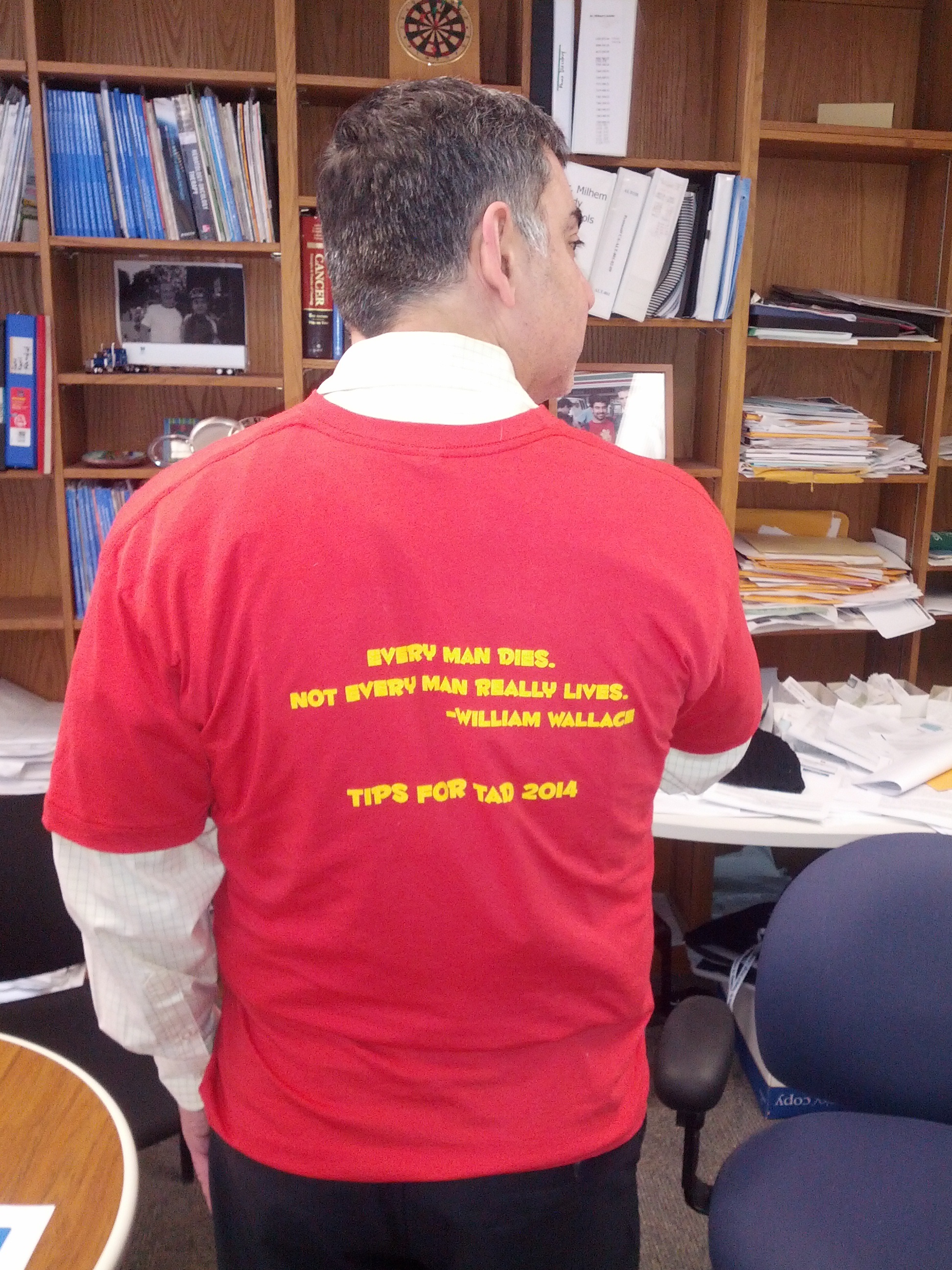
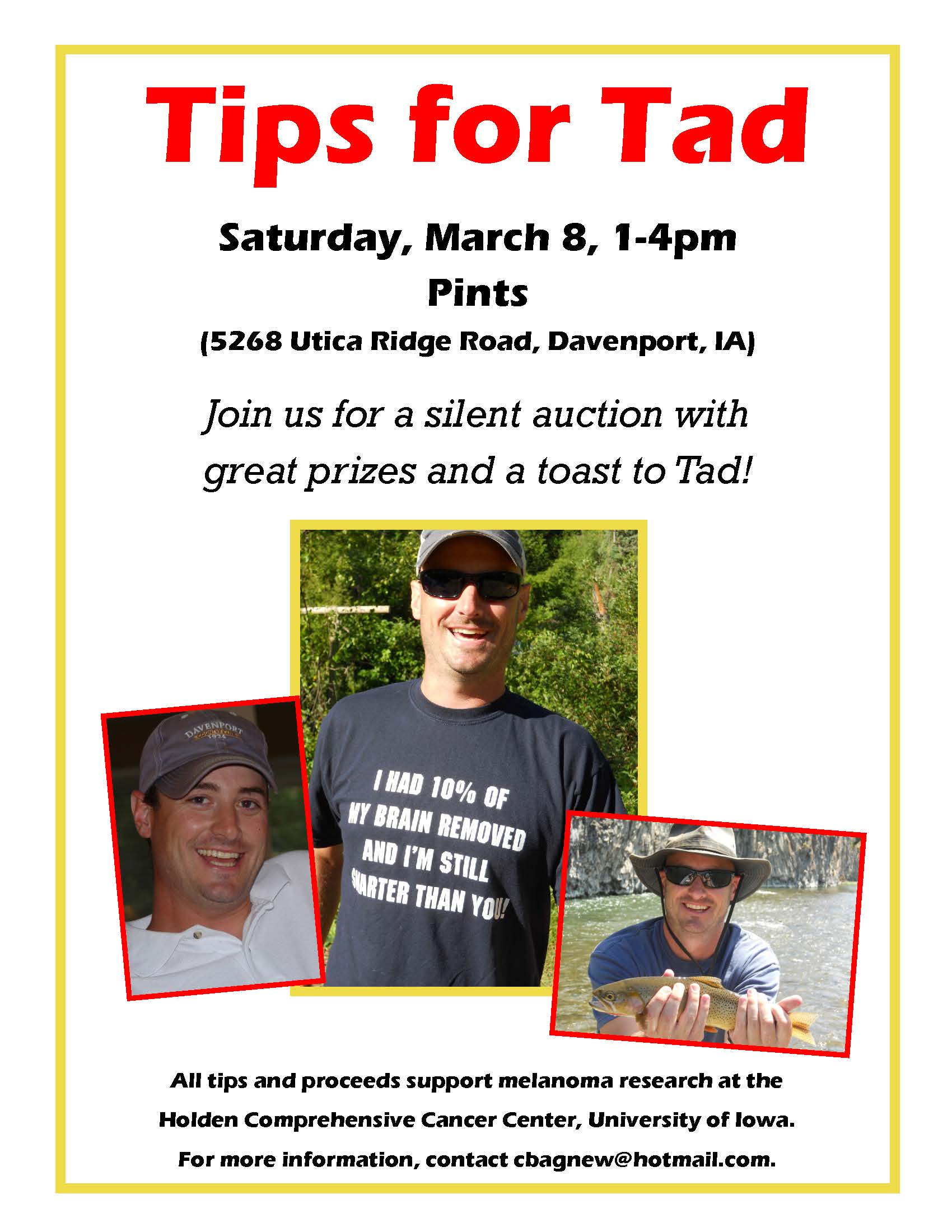
    Tad’s impact went further than anything I could imagine. One month after he passed, friends of his gathered at a bar and collected donations to help my growing program. His parents whom I had met on his last visit came to see me to share with me the event that took place. I am humbled by the efforts of all those who have helped create snowballs that become avalanches that remove uncertainty from the knowledge of this cancer. Helping us find ways to wipe it out. Tad resonates deeply in my heart and he showed me that “Every man dies, but not every man lives” his most famous quote from William Wallace. Tad died, but he lives in the Iowa Melanoma program, moving the science forward in ways I hope he would be proud of. Each year dedicated friends and family gather round and make sure that Tad’s legacy remains that he was a man who decided to live his life despite all the odds.

    Tad, I bow deep and honor your courage. You are one of my true heroes. Thank you.

    Mo

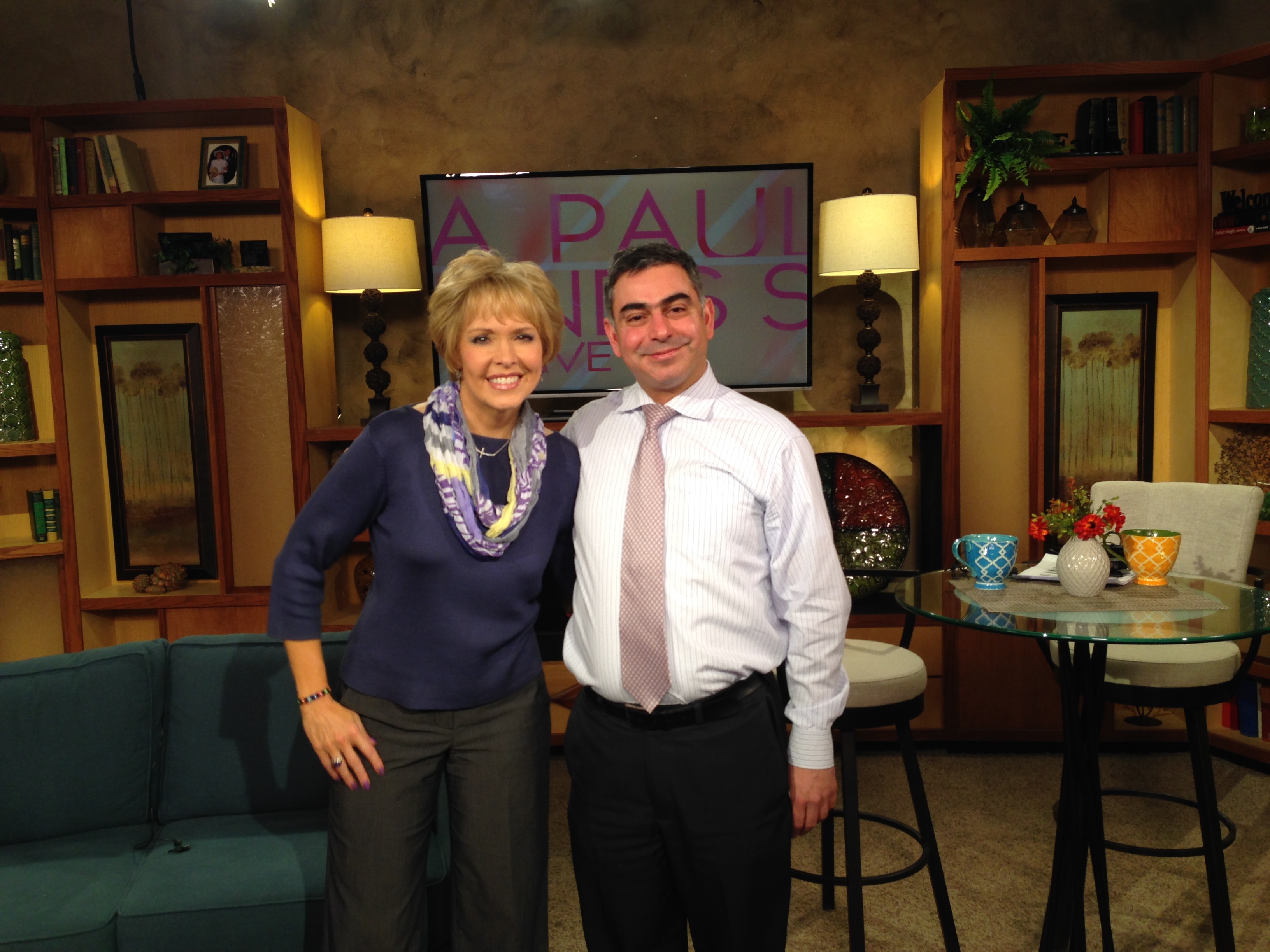
    On Monday, March 3rd, I was a guest on the Paula Sands Live show in the Quad Cities, talking about Tips for Tad. Watch here: http://bit.ly/NUlU5P

    Mo at Paula Sands Live

    Mo tips for tad shirt

    Tad Flyer


  • Unsolicited

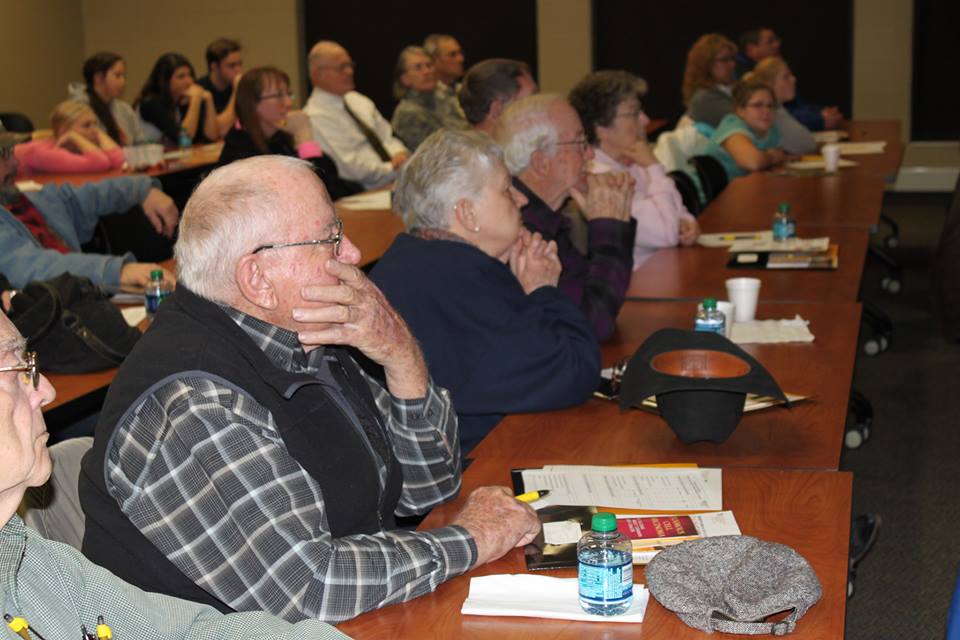
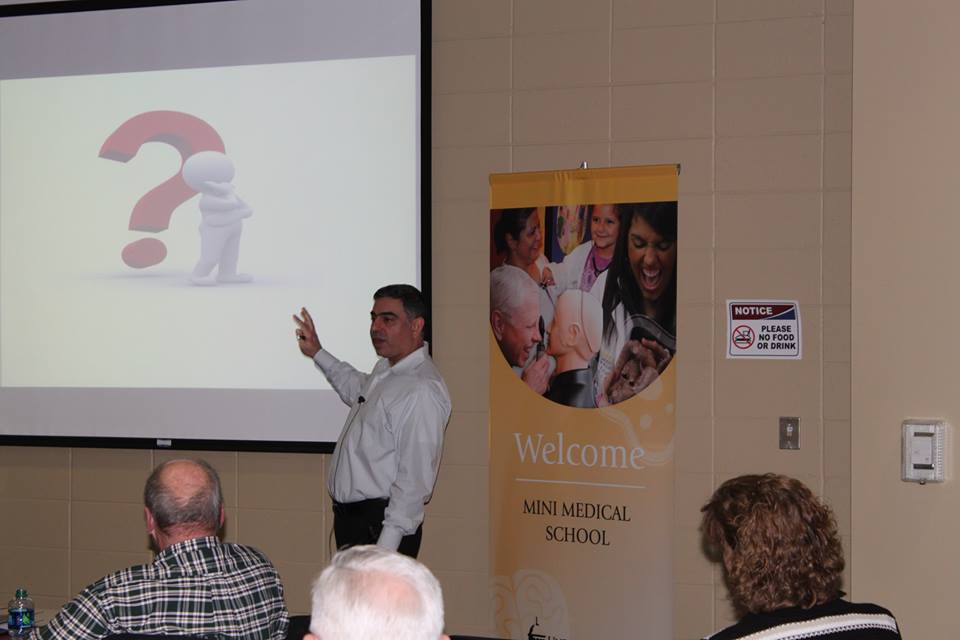
    I did not have my regular clinic today. I was in Ottumwa yesterday as part of a mini-medical school bringing the knowledge of melanoma and cancer to the public. We were supposed to go to Creston this morning but that was cancelled so I had a day to play catch up. I went to work in jeans, sat in front my computer and began checking the usual things, my inboxes in the electronic medical record and my email. Our emails are plagued with spam, despite all the mechanisms that we have in place to stop what we do not want to come to our emails, we are bombarded with unwanted things. I spend more time deleting emails than I do reading them.

    Cancer finds ways to prevent itself from being deleted. We have so many mechanisms in our bodies that act to prevent cancer from forming. Despite these, cancer manages to trick the system into accepting it as part of the body. Like Spam, cancer is real and disrupts the organized tissue that is trying to maintain how cells behave in a tight environment. As I was deleting what I felt unneeded I remembered that our body goes through a similar daily process of removing cells that have a tendency to cancerous formation and this is an active ongoing process. It requires energy. I humanized the feeling that this is tiring, annoying and maybe the body as myself becomes lazy or just bored with getting rid of all this. I thought out loud, how can I minimize this with less effort from myself!

    Perhaps instead of attacking a cancer that has established itself, one should work on enhancing the mechanisms that remove cancer formation from the very beginning. This would be like redirecting spam away from my viable inbox and save me from deleting them myself. Research in understanding these mechanisms are difficult but we are making exciting progress in immunotherapy. I reflected on the talk I gave to the audience that listened. Fascinated that I talked to ages that spanned 12 years to 80. Their questions penetrating and deep, catching me off guard. It was refreshing to know what they needed to know, what myths to dispel, and what unneeded information to block. It was an active interaction. My knowledge helped them remove spam from theirs and fortified a more secure picture of what cancer really is.

    Mo

    Photo 1

    Photo 2

    Photo 3

  • Interception

    The little interactions with my patients are the highlights of my clinic. They help me in knowing them as people, understanding the pattern of disease globally and managing the side-effects that they could face. More importantly it is getting to know how they view their disease. Many of the therapies that we as oncologists give are as toxic and cause symptoms that can mimic the cancer coming back. It is hard to separate sometimes what is the cause of the complaint that people present with, is it the cancer, or the chemo? It takes time, a skill and patience. Providing the right atmosphere for the patient to talk is crucial for them to share freely their complaints. Providing a supportive and encouraging state, makes it raw and uncut but always honest.

    Today one of my patients inferred that his disease was not responding to the chemotherapy that I was giving him. I listened, and let him narrate what he was feeling. He was feeling weak and had lost weight. I asked him some questions and he began to describe his symptoms. He described a high and low, like being on a roller coaster.  What appeared to me was a difference in the interpretation of his perception of what might be happening. I guided and steered him away from making assumptions, allowing him to tell me exactly what he was feeling. We juxtaposed his perceptions with what we both knew objectively and we worked together to a common ground where things were clearer.

    I intercepted. I gave him my opinion that I felt what he was describing seemed more like the symptoms I would expect from his chemotherapy. I watched his face change expression. A relief came over him. “I trust you” he said “So you think I should keep going with the therapy?” Nothing had changed, it’s important to do the evaluation of the disease at the right time to make the correct deduction on whether the therapy was truly helping him. I stood by my recommendation, explaining carefully that it is hard sometimes to separate chemotherapy toxicity from cancer symptoms. His faith in the therapy seemed renewed and I said “it’s best not to cross the bridge before getting to it first”.

    Mo